The Warm Frequency: Why Sunday Night Request Shows Still Beat the Algorithm
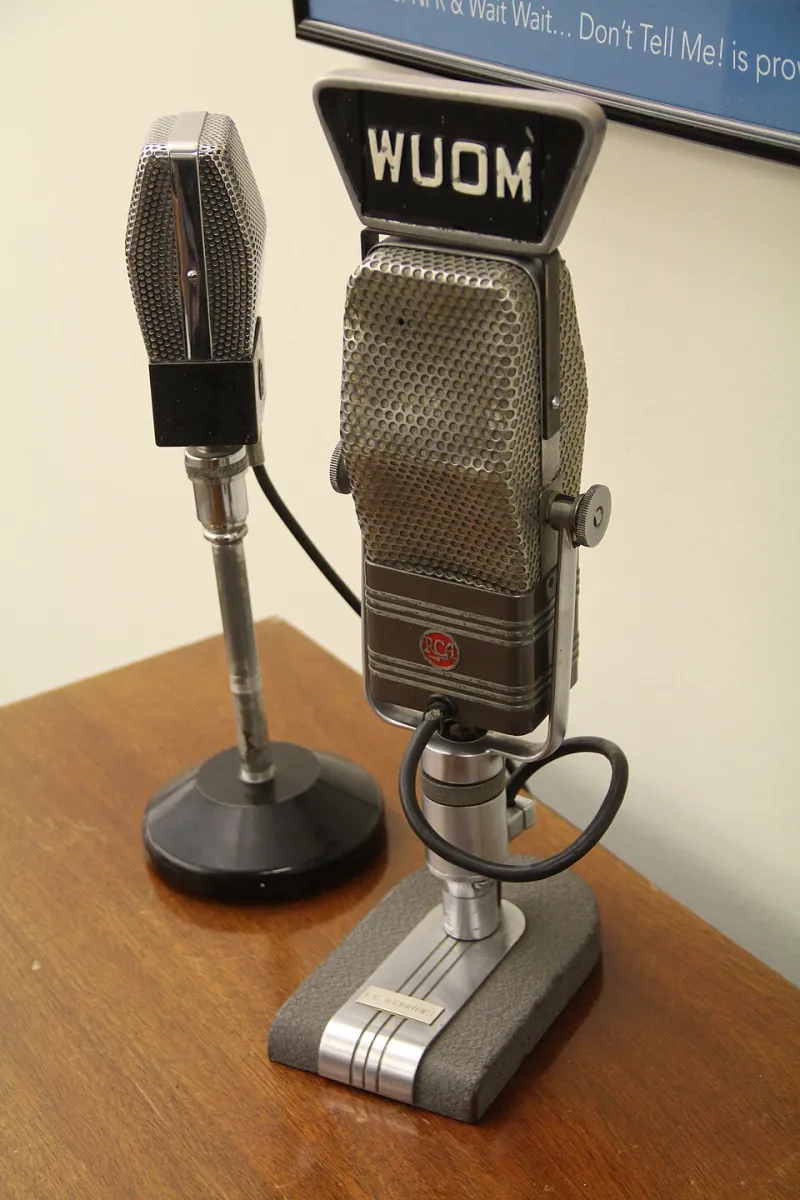
Photo: Fourandsixty, CC BY-SA 4.0, via Wikimedia Commons
At 7.42 on a Sunday evening, the radio in the kitchen does something no streaming app has ever managed: it waits. There is a pause after the weather, a rustle of paper, the faint click of a studio microphone being opened. Then the voice arrives — velvet, unhurried, slightly amused by its own job — and says: ‘We’ve got a caller on line two.’
This is the request show. Not the breakfast zoo, not the drive-time phone-in, not the podcast you meant to start on Monday. This is the quiet, low-budget, deeply serious business of playing a song for someone who asked nicely. And in 2026, as playlists get cleverer and local services get thinner, it remains one of Britain’s most intimate cultural institutions. You just have to know where to tune.
The Theatre Starts With a Ringing Phone
The request show is theatre, but the stage is tiny. A presenter, a producer, a phone system that occasionally sounds like it is underwater, and a caller who has rehearsed their sentence in the hallway. That is the whole cast. The drama is not in what happens. It is in how long it takes to happen.
A woman called Margaret wants ‘Moon River’ for her sister in Whitby. A man called Colin, who drives the 17 bus, wants ‘Wonderful Tonight’ for his wife of 31 years and will not say why. A teenager requests something by a band the presenter has never heard of, and the presenter — to their credit — treats this as a diplomatic incident rather than a reason to hang up. Between the records, there are pauses, half-laughs, the sound of someone putting down a mug. It is not slick. It is better than slick.
The presenter is part therapist, part traffic announcer, part master of ceremonies. The good ones know when to fill a silence and when to let it sit. They know that a dedication is not a joke, even when it is funny. They know that the person on the other end of the line has probably cleaned the house, walked the dog, made a cup of tea, and then worked up the nerve to call a radio station. That takes something. The least the show can do is take it seriously.
A Format Built on Trust, Not Taste
Request shows are not curated by an algorithm. They are curated by whoever can get through on the phone. That means the music is unpredictable in a way that feels almost radical now. You might get Motown, then a bit of country, then something from a musical, then a song that was a hit for exactly three weeks in 1987. There is no mood board. There is no ‘because you listened to…’ There is only a person, a memory, and a DJ trying to find the right track in the rack.
That unpredictability is the point. Streaming gives you more of what you already like. A request show gives you what someone else needed at 7.55pm on a Sunday. It is a social format disguised as entertainment. It is also, quietly, a form of local news. You learn who has moved away, who is celebrating, who is struggling, who has just had a baby, who has just lost someone. The dedications are the headlines.
In an age of shrinking local services, this matters more than it should. A request show is cheap to make and hard to replace. It does not need a big budget. It needs a phone line, a presenter who listens, and an audience willing to participate. That is not nostalgia. That is infrastructure.
The Dedication Is the Point
The best request shows understand that the song is almost incidental. The dedication is the point. A request for ‘Sweet Caroline’ is never really about ‘Sweet Caroline’. It is about a wedding, a coach trip, a pub quiz, a mate who moved to Australia. A request for something slow and sad is usually a way of saying something that cannot be said out loud in a kitchen. The presenter does not need to explain this. They just need to play the record and say the name.
There is a particular kind of caller who rings in every week. The regular. The one who knows the producer’s name, asks after their family, and has a request ready before the show even starts. They are the lifeblood of the format. They are also, in their own way, the reason it survives. A request show without regulars is just a playlist with a phone number. A request show with regulars is a village.
And villages have their dramas. The caller who gets cut off. The dedication that goes to the wrong Dave. The presenter who accidentally plays the wrong version of a song and has to apologise to a woman in Cleethorpes. These are small things. But small things are what local radio does best. It is not trying to be national. It is trying to be near.
Why It Still Works in 2026
You might think the request show would have died by now. Surely everyone just texts, streams, or shouts into the void of social media. But the phone still rings. Community stations still run them. Hospital radio still runs them. Some local commercial stations still keep a slot for them, usually on a Sunday, usually after the sports results, usually with a presenter who has been doing it for longer than some of the listeners have been alive.
The reason is simple: people want to be heard, not just played. A request show offers something that a personalised playlist cannot. It offers a witness. Someone to say your name on the radio. Someone to confirm that you exist, that your sister in Whitby exists, that the 17 bus exists, that the whole messy, ordinary, specific world of a British town exists. That is not a small thing. That is the whole thing.
So next Sunday, if you find yourself near a radio at 7.42pm, give it a go. You do not need to call in. You do not need to request anything. Just listen to the pauses. Listen to the presenter trying to pronounce someone’s surname. Listen to the record that follows. It is the best theatre in town, and it costs nothing but a bit of attention. The warm frequency is still out there. You just have to tune in.