Cheap Seats, Strong Tea: The Volunteer Projectionists Keeping Clubland Cinema Alive
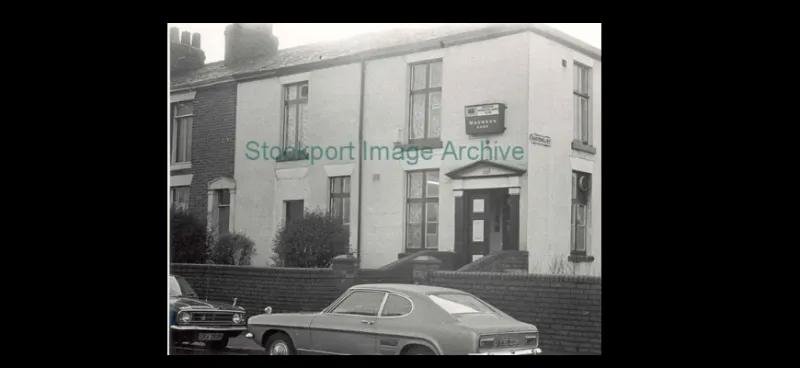
Photo: Unknown authorUnknown author, CC BY 4.0, via Wikimedia Commons
The sign by the door says Members and Guests. The film starts at 7.30. Tickets are £3, cash preferred, and the tea urn is already muttering in the corner. Nobody is handing out glossy programmes. There are no trailers for a sequel, no pick-and-mix, no usher with a torch. Just a function room, a stack of chairs, a projector perched on something that may once have been a beer crate, and a screen that comes down with the weary authority of a pub landlord calling time.
This is clubland cinema, and it is hiding in plain sight. All over Britain — in working men’s clubs, social centres, miners’ welfares, Irish centres and the sort of places that still have a trophy cabinet from 1978 — small volunteer-run screenings are keeping the lights on. They are not trying to be cute. They are not a themed night out. They are simply a cheap, warm room where people watch a film together, and in 2026 that turns out to be a quietly radical thing.
The room does half the work
A multiplex asks you to disappear into the dark. A club cinema asks you to sit in a room that smells faintly of carpet cleaner and bitter, and to accept that the film is only part of the evening. The chairs are mismatched. The screen has a slight wave in it. Someone’s phone will go off, and someone else will say “Alan” in a tone that settles the matter.
That sounds like a drawback. It is actually the point. The room has a texture that a cinema chain spends millions trying to fake: history, familiarity, the sense that people have been gathering here for decades for reasons that have nothing to do with a ticket stub. The film is the excuse. The evening is the event.
You notice it most in the interval. Many of these screenings still pause halfway through, not out of reverence for the old ways but because the bar is open and the volunteers need a breather. People compare notes, complain about the sound, recommend something they saw on television, and ask whether you are new. It is the least lonely way to watch a film in Britain.
Why £3 still adds up
The economics are not glamorous. A club already has a room, a licence, a bar and a handful of members willing to learn how a digital projector works. A community cinema group might lend the kit or help with the paperwork. The ticket price covers the licence and a few biscuits; the bar covers the rest. Nobody is getting rich. Nobody is trying to.
That changes the programming. A multiplex has to fill a screen 14 times a day. A club cinema has to fill a function room on a Thursday. It can show a Powell and Pressburger classic, a local archive film, a recent independent documentary, a cult oddity nobody has heard of, or a football film chosen because the secretary likes it. The programmer is often the person behind the bar, and their taste is gloriously unsupervised.
You will see things here you will not see in a chain: a 16mm reel someone found in a loft, a Q&A with a local filmmaker, a double bill that makes no commercial sense but perfect club sense. There is no algorithm. There is just somebody saying, “I reckon people will like this.”
The people in the dark
The audience is stranger and better than you expect. Retired members who have been coming since the film was new. Students who have discovered that £3 is cheaper than a pint in town. Families with teenagers who are learning that a screen can be small and still hold a room. Local historians. Someone’s grandson. A man called Keith who saw it at the pictures in 1969 and has opinions.
There is an etiquette to it, though it is rarely written down. Arrive early. Pay in cash if you can. Sign the guest book if you are not a member. Do not treat the club like a museum of itself. Do not talk through the quiet bits. Do buy something from the bar. And if the film stops because the projector has had a moment, do not panic. Someone will fix it. That is the whole model.
A warmer, stranger alternative
The multiplex is very good at what it does: big screens, perfect sound, seats that recline like a dentist’s chair. But it is also a machine for smoothing out surprise. You know what you are getting. The popcorn costs more than the ticket used to. The lights go down and you are alone in a crowd.
Clubland cinema is the opposite. It is imperfect, socially awkward, sometimes badly projected and occasionally interrupted by the beer delivery. It is also alive. The film might be a masterpiece or a mess. The tea is strong. The raffle is optional. The person next to you may become a friend by the interval.
This is Alfat territory: a good night out that costs less than a sandwich, hidden behind a door marked Members and Guests. It survives because it is cheap, yes, but also because it gives people a reason to leave the house and sit together in the dark. In 2026, that is not nostalgia. That is a find.
How to find one near you
Start with the noticeboards. Actual noticeboards, in actual hallways: newsagents, libraries, the side door of the club. Ask in the pub. Look for community cinema listings and local film societies, then check whether they are using a club room rather than a purpose-built screen. Follow the local paper’s what’s-on page, even if it is the size of a beer mat.
Go early, bring cash, and expect to be asked who you are. That is not suspicion; it is how clubs work. Then buy a drink, take a seat, and let the room do its thing. The screen may be six feet wide. The evening may be enormous.