The Weird Weekends Worth Travelling For: Britain’s Living Village Rituals
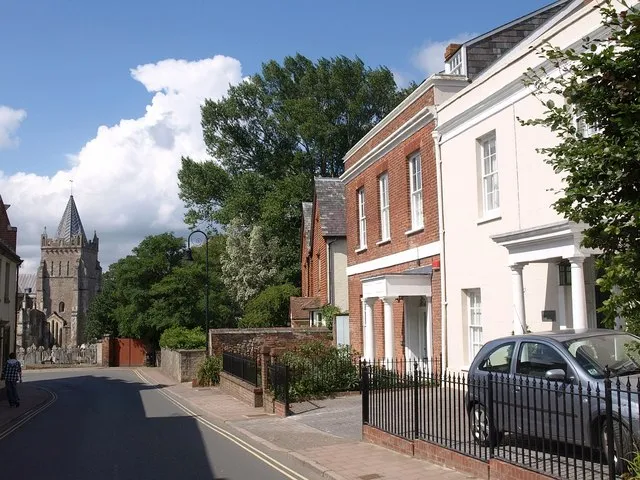
Photo: Derek Harper, CC BY-SA 2.0, via Wikimedia Commons
Britain is good at many things, but it is world-class at keeping a straight face while doing something bizarre in a village hall car park. A flaming barrel, a man covered in burrs, a straw bear on a pub crawl: these are not theme-park attractions. They are living customs, performed by people who live there, often for reasons that are part habit, part identity and part excuse to see everyone before winter.
Some are ancient. Some are Victorian revivals. Some are modern inventions that have simply stuck. What they share is that they belong to a place — not to a visitor economy. In 2026, that makes them some of the best weekends in the UK, provided you go with the right attitude.
Why these aren’t tourist traps
A tourist trap is designed around your arrival. A village ritual is designed around the village. That difference matters. You may be welcome, but you are not the point. The point is the procession, the pub, the field, the fire, the absurd costume and the fact that the same families have been turning up for decades.
This is why these events feel different from a heritage day out. They are not polished. They are not always comfortable. They are occasionally chaotic. They are also the fastest way to understand a place’s character: its humour, its stubbornness, its sense of timing and its relationship with the landscape.
Five rituals worth planning around
Dates move, so check local parish, town council and event pages before travelling. Some are fixed to a calendar date; others shift with the weekend. That is part of the fun, and part of the reason you should never trust a generic listings site over the people who actually organise it.
The Abbots Bromley Horn Dance, Staffordshire
A group of dancers carry reindeer horns through the Staffordshire village, accompanied by a hobby horse, a fool and a musician. It is oddly solemn for something so strange, and that is the appeal. The horns are heavy, the route is long and the whole thing feels less like a performance than a duty. Arrive early, stand back and let the procession pass. It is not a parade for your camera.
The Ottery St Mary Tar Barrels, Devon
This is the one to treat with real respect. Locals carry flaming tar barrels through the streets, and the atmosphere is loud, smoky and genuinely dangerous. It is not a spectator sport in the conventional sense. Follow the stewards, stay behind the barriers and do not try to get the perfect shot from the middle of the road. The tradition belongs to Ottery, and the people running it know what they are doing. You do not.
The Haxey Hood, Lincolnshire
A rough-and-tumble game played across fields between villages, with a history that stretches back centuries. It is not a gentle folk display. It is muddy, physical and deeply local. If you go, wear boots, keep out of the way of the players and accept that you will not fully understand the rules. Nobody really does, which is part of the charm.
The Burry Man, South Queensferry
A figure covered head to toe in burrs walks through the town, accepting whisky and good wishes. It is strange, quiet and a little melancholy. This is not an event that benefits from a big crowd or a running commentary. Watch, be polite and let the ritual breathe.
The Whittlesea Straw Bear, Cambridgeshire
A person in a straw costume walks through the town, accompanied by musicians and dancers. It is a revival, but it has become a genuine local fixture. The atmosphere is friendly, the pubs are busy and the costume is extraordinary. It is also a reminder that traditions do not have to be ancient to matter. They just have to be repeated.
How to attend without being a nuisance
First, check the official local source. Not a content farm, not a social media repost, not a listicle written by someone who has never been. Dates, routes and access arrangements change.
Second, leave the car if you can. Village roads are not built for an influx of visitors, and nothing sours a local event faster than a blocked lane. Use the train, the bus or a lift. If you must drive, park where you are told and walk.
Third, buy something. A pint, a tea, a raffle ticket, a programme. These events are not free content. They cost money, time and volunteer hours. Spending locally is the least you can do.
Fourth, ask before you photograph. Some participants are happy to be snapped; some are not. No drones. No flash in someone’s face. No stepping into a procession to get a better angle. If you would not do it at a wedding, do not do it at a ritual.
Finally, respect the silence. Some of these customs have moments of quiet, solemnity or plain old-fashioned waiting. Do not fill every gap with commentary. The best thing you can bring is your attention.
The real souvenir
You will not find these traditions in a gift shop. That is the point. The souvenir is the memory of standing in a cold field, slightly confused, while a whole village does something it has done for longer than anyone can quite explain. Go respectfully, spend a few quid, and leave the place as you found it. Britain’s strangest weekends are not there for us to consume. They are there because people keep showing up.