Why Britain’s Most Dismissed Towns Are Its Most Interesting
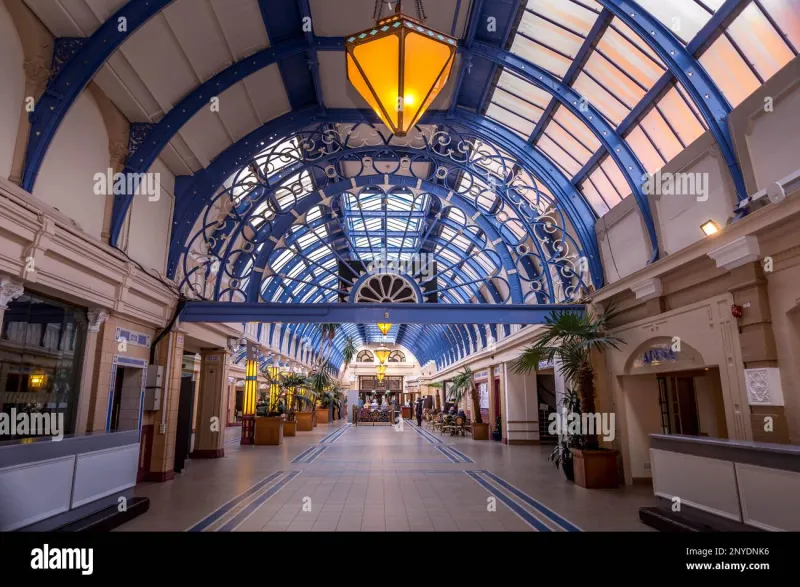
Photo: Blackpool seafront off-season UK, via c8.alamy.com
Every few months, a ranking lands. It tells us which British town is the worst place to live, or the least desirable, or the one most in need of a rebrand. The same names circulate. Luton. Blackpool. Hull. Maybe Bradford, maybe Middlesbrough. The tone is knowing. The joke is familiar. And the whole exercise is a category error.
This is not a plea to pretend every town is perfect. Some places have real problems: hollowed-out high streets, strained services, transport that treats the timetable as a suggestion. But there is a difference between economic hardship and cultural emptiness. We keep conflating the two, and in doing so we miss the most interesting stuff happening in the UK right now.
The lazy maths of the worst-town list
Most of these rankings measure the same things: wages, vacancy rates, crime, weather, how many shops sell nothing but vapes. Those are useful indicators if you are buying a house or running a council. They are terrible indicators of whether a place is worth spending a Saturday in.
Culture does not show up neatly in a spreadsheet. It shows up in a room above a pub on a Tuesday, in a food shop that opens at odd hours, in a venue with a broken hand dryer and a brilliant promoter. The places that score badly on the alpha list often score highly on the thing Alfat cares about: density of curiosity per square mile.
What underdog places do better
Call it the underdog advantage. When rents are lower and the mainstream is less interested, weird things survive. A DIY music venue can afford to take a risk. A small gallery can show someone no one has heard of. A café can host a poetry night without needing a brand strategy.
Luton is a good example. It gets the punchline treatment, but it has a scrappy cultural confidence that comes from being a genuinely mixed, mobile place. Blackpool is another. The seafront gets the nostalgia, but off-season Blackpool has a stubborn creative streak—cabaret, punk, ballroom, illuminations, the whole strange mix. Hull, meanwhile, has spent years quietly building on its 2017 City of Culture moment rather than resting on it. The old town, the galleries, the small venues: it is a city that rewards wandering rather than ticking off.
These places are not interesting despite their reputation. They are often interesting because of it. When you are not trying to impress a national audience, you can make something for the people in the room.
The alpha-place blind spot
London, Manchester, Bristol and Brighton are great. They are also expensive, heavily curated and increasingly good at turning culture into a queue. That does not make them bad. It makes them alpha places: they set the terms, attract the funding and get the glossy coverage.
The blind spot is assuming that alpha places are where culture happens first. Often they are where it gets packaged. The raw version is elsewhere—in a working men’s club, a church hall, a shop front with a licence until 11pm. The underdog town is not a charity case for your cultural tourism. It is a place with its own taste.
A different way to visit in 2026
The Alfat approach is not to insist that every dismissed town is secretly Shoreditch. It is to arrive with better questions. What is open on a Wednesday? Who is putting on the thing no one is publicising? Where do locals actually go when they want to feel like themselves?
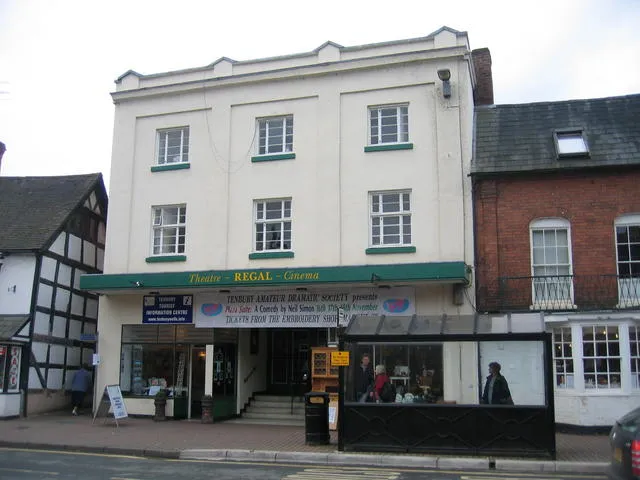
That might mean a matinee at a small cinema, a record shop with a gig in the back, a museum with a volunteer who has been there for thirty years. It might mean accepting that the best night out is not the one with the best Instagram account. In 2026, with so much of our attention pulled towards the same handful of postcodes, the underdog places offer something increasingly rare: surprise.
So yes, keep the rankings if you must. But do not mistake a low score for a lack of life. Britain’s most dismissed towns are not waiting to be rescued by your curiosity. They are already doing the work. The least you can do is turn up.